Clean Up Your Brand.

An established business knows its brand. However, they may not always be consistent or think to clean up their brand regularly. Branding is your identity, and typically, it consists of logos, business colors, fonts, mission/purpose, values, culture, and voice. As companies evolve, they sometimes struggle with keeping their branding updated across various platforms. Cleaning up your brand doesn’t necessarily mean a full overhaul. It’s best to ask, “What is my target audience and what should our brand represent?“ When there are misalignments, it’s time to step back and make some updates. Maintaining brand equity—how your company is perceived and valued—is key to your relevance and profitability. Slowly shifting and updating your branding as needed can help your company align more smoothly with its brand. Consistency across online platforms (social media and websites) is a great place to start. Go to your website or socials, then check for outdated pages, old profiles, old messaging, or missing links, and clean them out. Use your old messaging as a blueprint and make it new, refreshed, and accurate. Tighten up your branding and create an up-to-date company style guide. Ensure it contains correct fonts, your brand colors, and how to use your company’s logo. Be true to your brand. If your logo is green, don’t let your team turn it pink for Breast Cancer Awareness Month, or orange for Halloween. Overall, if you decide your brand needs an update, remember that it still needs to be true to its roots and be recognizable and appreciated by loyal customers. You are simply refining your brand, not rebranding. Maintaining brand equity means your brand must: Don’t overcomplicate the process. Be diligent, and make sure your brand is upheld consistently. New Google Review Guidelines. Google Reviews has updated its 2026 guidelines to generate more authentic, unbiased feedback. This means that companies may not: Filtering or artificially boosting your reviews creates a biased overview of a company and can result in a business’s Google profile being suspended. A proper, unbiased review process should be open-ended, unpressured, and requested only after the customer has left the premises (via website, email, mail, or SMS marketing). Want us to help with your Google Business page, or help set up a Google Review system? Give us a call: 573-221-3635… or send us an email at info@poolecommunications.com.
Using ChatGPT Wisely in Business.

I predict that most programs you use will have a ChatGPT option in the near future. Even though ChatGPT has a Microsoft AI driver, even Apple’s SIRI is going to be using it soon. So how can you best use ChatGPT in your business?
Be Aware of Fake Bills.
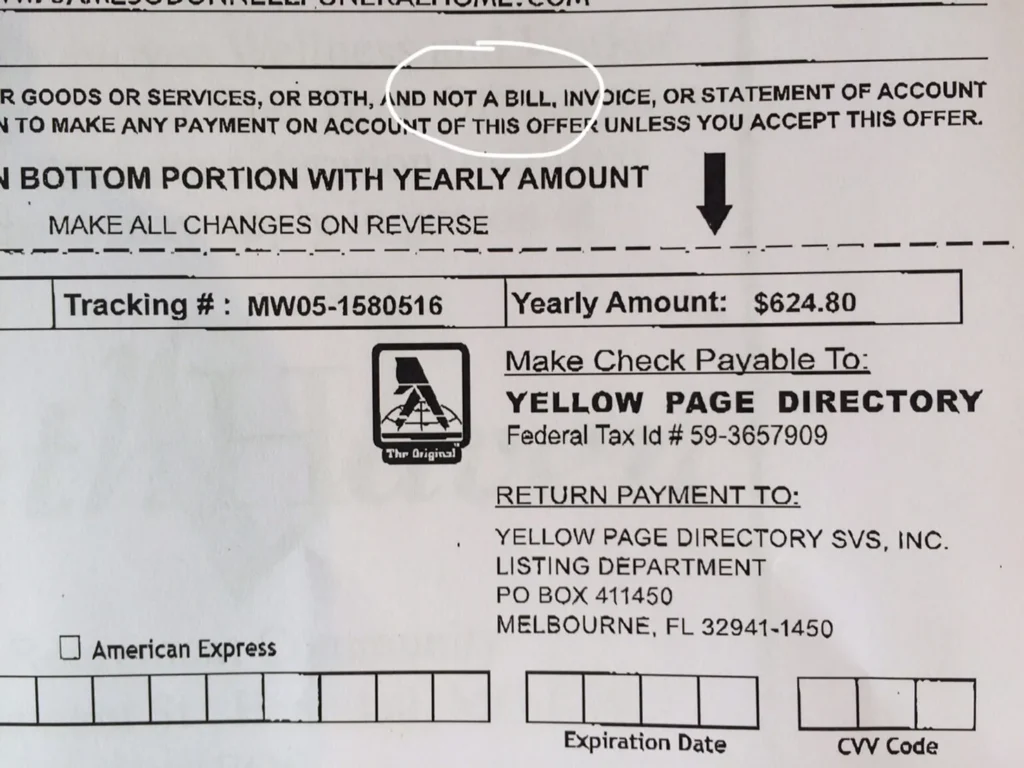
The people we work with are receiving more fake bills than ever before. We’re getting copies from clients, we’re seeing them in the mail and in email, and they are looking like real invoices.
The Simplicity of Six Words.

Too often, we make things harder than they need to be. Use the simplicity of six words.
Make Business Cards Work for You.
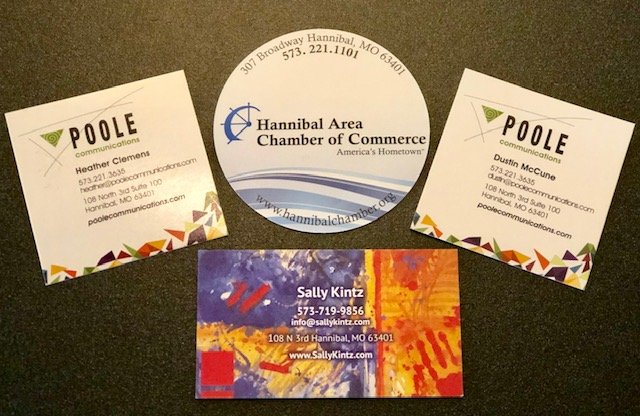
When your new company is created, there should be a strong emphasis on business cards.
Video: The New Medium for Business.

Video is growing in our business. We used to mainly create 30-second commercials, and now we are asked to put video on the web, in emails, and create YouTube stations for clients that are using technology to the fullest. Even radio and newspapers are using video. Video is a critical part of your business when you need to show how something works or want to educate a customer.
Intense Internet Marketing.

The business world is changing. Take a look around you. It’s time to move your company forward.
Kickstart Your Social Media: A Recipe for Small Businesses.
Social media can be intimidating, especially as a small business owner with limited time. We’ve put together a series of steps—a recipe—to get you started! Let’s get cooking!
8 Easy Ways to Improve Your Marketing.

Advertising just doesn’t work like it used to. It’s expensive and isn’t getting results. Worst of all, it’s difficult to track. Businesses don’t know how to manage their marketing or advertising, and don’t have time to do it right. Word of mouth works and can still be counted on. That’s why social media is growing fast.
Why You Should Go Mobile.

88% of consumers who search for a type of local business on a mobile device call or go to that business within 24 hours, according to a Google Mobile Movement Study. 70% of all mobile searches result in action within 1 hour. Businesses are missing 70% of local content on sites like Twitter and Pinterest because they don’t have location-based sentiment monitoring set up, according to a recent study by Venuelabs. These are some pretty staggering statistics. You spend lots of time and money building a website and optimizing it for search engines (SEO). But are you optimizing your business for local searches on mobile devices?